Color plays a crucial role in design, branding, and printing. Whether you are creating content for digital platforms or preparing print materials, understanding RGB, CMYK, and Pantone color systems helps ensure accurate and consistent results.
Each color model is designed for a specific purpose, and using the right one can prevent color mismatches and costly errors.
What Is RGB?
RGB stands for Red, Green, and Blue. This color model is used for digital screens such as computers, smartphones, and televisions.
RGB works by combining light in different intensities to create colors. When all three colors are combined at full intensity, the result is white. When there is no light, the result is black.
Best Uses for RGB
- Websites and digital graphics
- Social media content
- Videos and online ads
RGB offers a wider range of vibrant and bright colors, making it ideal for screen-based designs.
What Is CMYK?
CMYK stands for Cyan, Magenta, Yellow, and Black. This color model is used for physical printing.
Unlike RGB, CMYK uses ink instead of light. Colors are created by layering inks on paper, which absorbs light rather than emitting it.
Best Uses for CMYK
- Brochures and flyers
- Business cards
- Posters and packaging
Because CMYK relies on ink, colors may appear less vibrant compared to RGB. That is why designs created in RGB often look different when printed.

What Is Pantone?
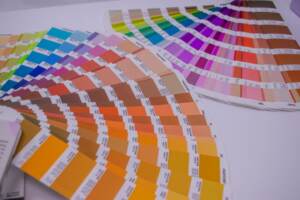
Pantone is a standardized color-matching system used in professional printing. Each Pantone color has a unique code, ensuring consistency across different printers and materials.
Instead of mixing colors during printing, Pantone uses pre-mixed inks to achieve exact shades.
Best Uses for Pantone
- Brand colors and logos
- Corporate identity materials
- High-precision print projects
Pantone is ideal when color accuracy is critical, especially for maintaining brand consistency.
Key Differences Between RGB, CMYK, and Pantone
Color Creation
- RGB uses light
- CMYK uses ink
- Pantone uses pre-mixed colors
Primary Use
- RGB is for digital screens
- CMYK is for standard printing
- Pantone is for precise color matching
Color Accuracy
- RGB offers the widest color range
- CMYK has a more limited range
- Pantone provides exact and consistent colors
When Should You Use Each Color Model?
Choosing the right color system depends on your project:
- Use RGB for anything displayed on screens
- Use CMYK for printed materials
- Use Pantone when exact color consistency is required
Planning ahead and selecting the correct format early in the design process helps avoid unexpected results.
Why Understanding Color Systems Matters
Using the wrong color model can lead to dull prints, color shifts, or inconsistent branding. By understanding the differences between RGB, CMYK, and Pantone, you can ensure your designs look exactly as intended across all platforms.