You’re doing everything right. Marketing campaigns are running. Traffic is flowing. Leads are coming in.
But here’s the gut punch: those leads aren’t turning into sales.
Sound familiar? You’re not alone. Most businesses generate plenty of leads but struggle with what happens next—nurturing those prospects from “maybe interested” to “ready to buy.”
The Silent Sales Killer
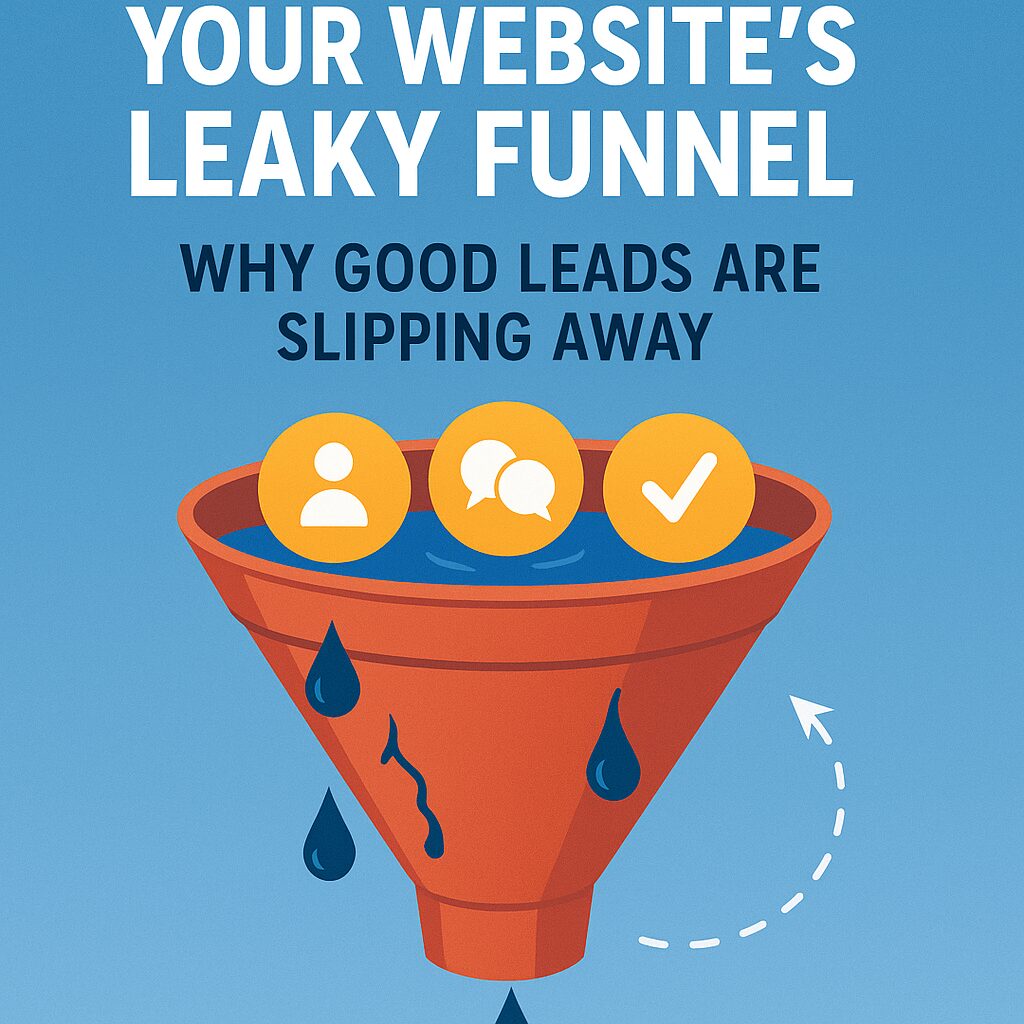
Here’s what’s really happening: your website is acting like a leaky funnel. Prospects arrive excited, but instead of being guided smoothly toward a purchase decision, they’re getting lost, confused, or simply walking away.
The hard truth? Decision-makers expect a seamless journey from their first click to signing on the dotted line. When your website fails to deliver that experience, you’re essentially handing qualified prospects to your competitors.
Where Most Websites Go Wrong
Missing the handoff. Your marketing brings them in, but your website doesn’t know what to do with them next. No clear path forward means prospects bounce. This issue is especially common in B2B and technical sectors, where poor industrial SEO and a lack of clear navigation leave valuable leads stuck or lost.
One-size-fits-all content. A visitor researching solutions needs different information than someone ready to request a quote. Yet most websites treat them exactly the same.
Weak calls-to-action. “Contact us” isn’t compelling. Neither is “Learn more.” Your CTAs should match where prospects are in their decision-making process.
No progressive engagement. Asking for too much too soon (or too little too late) kills momentum. The best websites gradually build trust while gathering information.
The Fix: Turn Your Website Into a Conversion Machine
Map your buyer’s journey. What questions do prospects have at each stage? What content helps them move forward? For companies in complex industries like manufacturing, SEO for industrial websites helps align technical content with that journey and turn interest into intent.
Create stage-specific content. Early-stage visitors need educational content. Mid-stage prospects want comparisons and case studies. Late-stage leads need pricing and implementation details.This is especially true for manufacturing SEO, where different stakeholders need tailored information.
Strengthen your CTAs. Make them specific, action-oriented, and valuable. Instead of “Contact us,” try “Get your custom ROI analysis” or “Schedule your strategy session.”
Build progressive touchpoints. Start with low-commitment offers (downloadable guides, webinars) and gradually work toward higher-commitment actions (demos, consultations).
The Bottom Line
Your website should work like your best salesperson—understanding where each prospect is in their journey and providing exactly what they need to take the next step.
When done right, lead nurturing doesn’t just improve conversion rates. It shortens sales cycles, increases deal sizes, and creates customers who are already sold before they ever talk to your sales team.